

14/04/2026 | Last Updated: 14/04/2026 | 12 min read
Wildlife Gardens
Creating a Thriving Haven for Australian Native Animals
Australia's native wildlife — from honeyeaters and blue-tongued lizards to tiny native bees — depends on the plants around them for food, shelter, and breeding habitat. A wildlife garden isn't wild or messy — it's a deliberately layered landscape that provides everything local creatures need to thrive, right in your backyard. Wildlife Gardens are not limited to native plants.
See It in Context
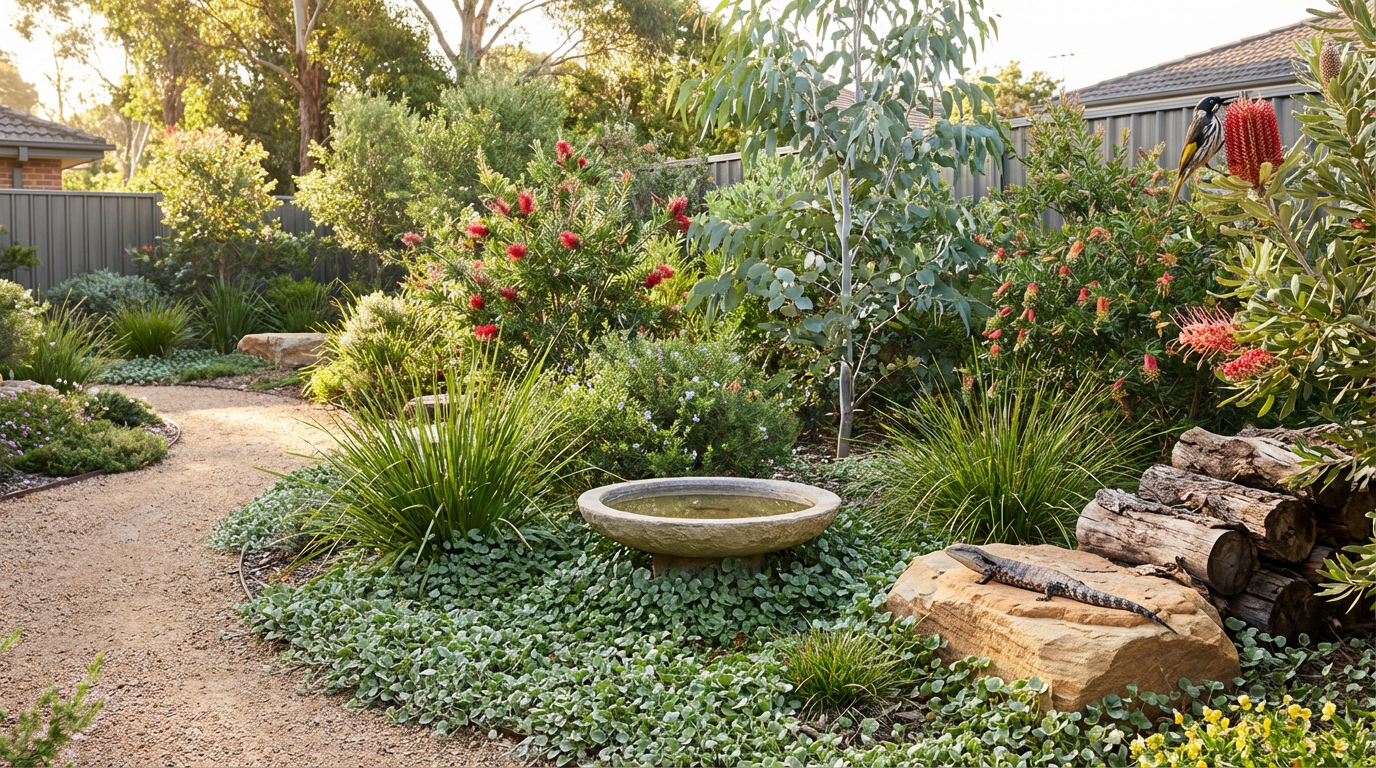
A wildlife garden doesn't mean wild and unkempt. Here's what a layered native habitat looks like in a real suburban backyard.
Layered native planting with canopy eucalypts, flowering grevilleas and callistemons, native ground covers, tussock grasses, and a stone bird bath — a complete wildlife habitat in a suburban backyard.
Layered Habitat
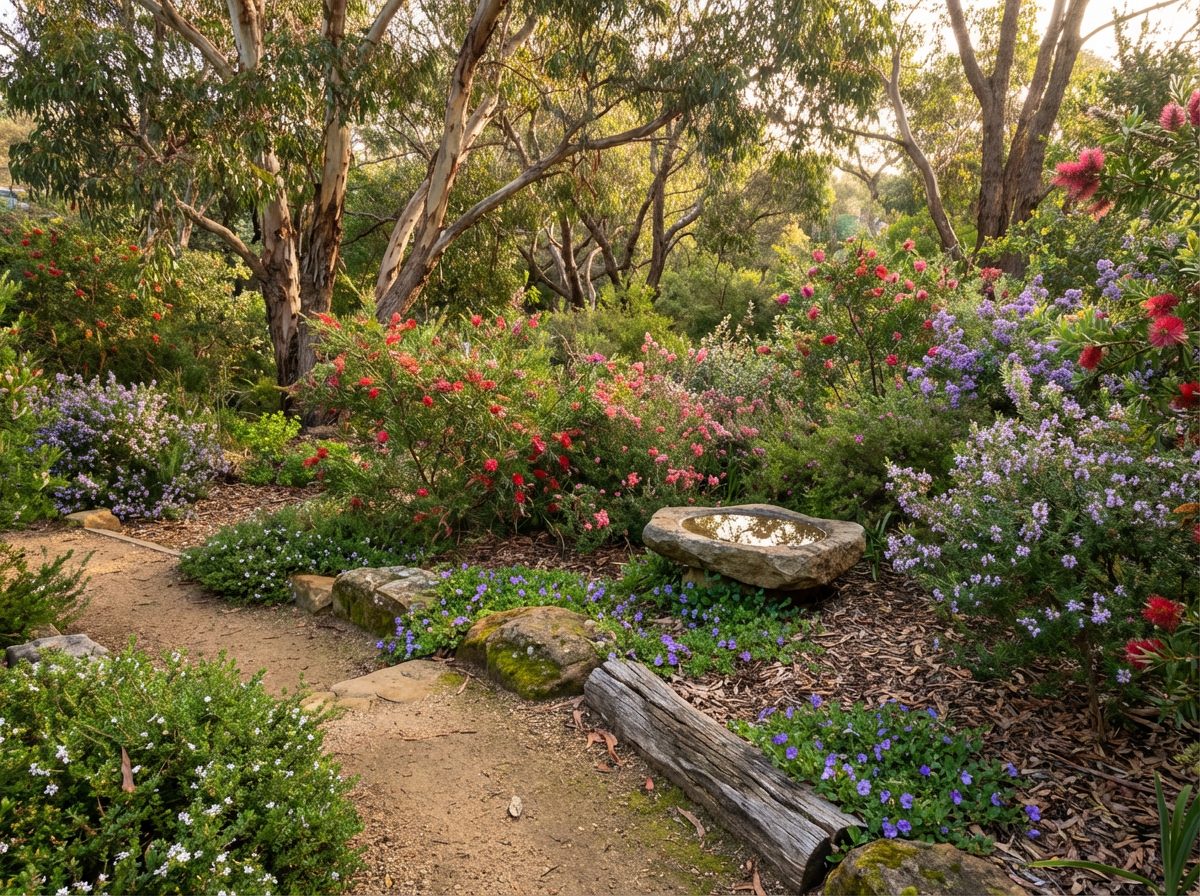
Wildlife needs vertical structure. A tree canopy, shrub understory, and ground layer each support different species — stack them all for maximum biodiversity.
Year-Round Resources
Plan for food, water, and shelter in every season. Successive flowering, evergreen cover, and a simple water source keep wildlife visiting all year.
Go Local Native
Plants indigenous to your region support local wildlife best. They've co-evolved over millennia — the insects, birds, and lizards already know what to do with them.
Design Your Habitat in 5 Layers
Ecologists describe natural bushland as a series of vertical layers — from canopy to ground. Recreating these layers in your garden, even on a small scale, is the single most effective thing you can do to attract and support native wildlife.
Sizing for Your Space
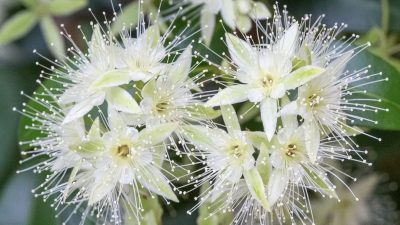
Not every garden can fit a 20-metre eucalypt. Smaller species like Eucalyptus pauciflora (Snow Gum, 6–8m), Eucalyptus caesia (Silver Princess, 4–8m), or Backhousia citriodora (Lemon Myrtle, 4–6m in garden conditions) provide genuine canopy habitat in compact spaces. If you truly have no room for a tree, a tall Melaleuca or Callistemon pruned to a single trunk creates a small-tree effect.
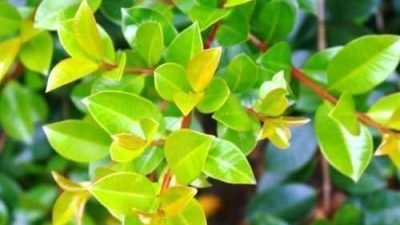
🐾 Wildlife Tips
- One mature eucalypt supports more wildlife than a dozen exotic ornamentals combined.
- Dead branches and natural hollows are features, not flaws — they're nesting sites for parrots and owls.
- Paperbarks near water are especially valuable for frogs and waterbirds.
- Plant canopy trees on the south side so they don't shade out the understory plants below.
- If space is tight, choose a tree that also flowers heavily — double habitat value.
Sizing for Your Space
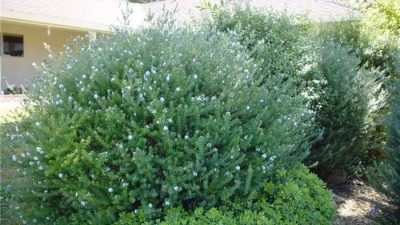
Most wildlife-friendly shrubs grow 1.5–3 metres tall and wide. Plant them close enough to form a continuous thicket — about 60–70% of mature spread apart — rather than spacing them as isolated specimens. Wildlife needs connected cover to move safely through your garden without exposure to predators.
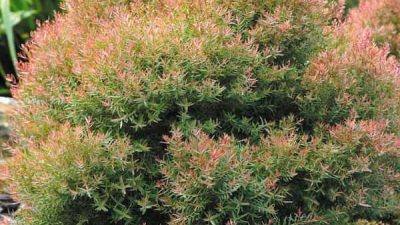

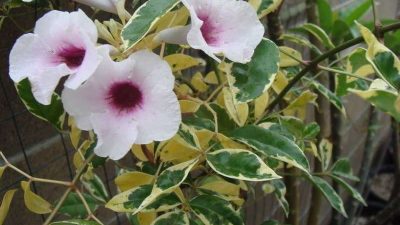
🐾 Wildlife Tips
- Prickly shrubs like Hakea sericea protect small nesting birds from cats and larger birds.
- Group at least three shrubs together — a single isolated shrub offers less protection than a cluster.
- Banksias flower heavily in autumn and winter when other food sources are scarce.
- Grevilleas are the most reliable year-round nectar source for honeyeaters.
- Resist the urge to heavily prune — wildlife needs the dense, slightly messy interior structure.
Sizing for Your Space
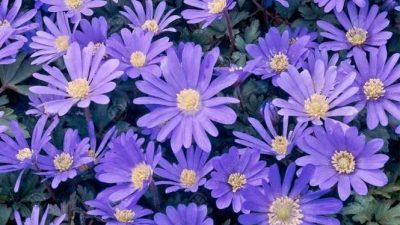
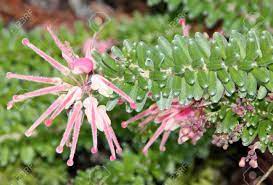
Ground covers should be planted densely — at 70% of mature spread — to form a continuous carpet as quickly as possible. For a bed that's 2m × 3m, you might need 15–25 plants depending on the species. Tubestock is ideal for mass ground cover planting — it's affordable in quantity and establishes faster than advanced pots.
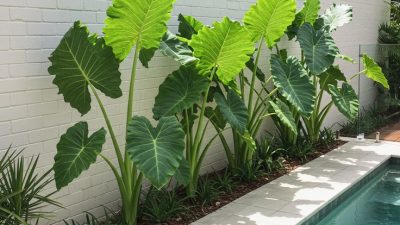
🐾 Wildlife Tips
- Leave leaf litter under shrubs and trees — it's essential habitat, not garden waste.
- A pile of rocks or a few stacked logs in a garden corner creates a lizard and skink refuge.
- Mulch with bark or leaf litter, not synthetic materials — wildlife can't use plastic.
- Native ground covers suppress weeds while creating habitat — that's a double win.
- Avoid snail bait near ground cover — it poisons the blue-tongued lizards that eat the snails.
Sizing for Your Space
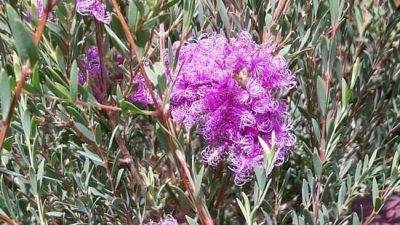
You don't need a huge garden for nectar plants. Even a single Grevillea in a pot on a balcony will attract honeyeaters. In garden beds, cluster nectar plants together rather than scattering them — a mass of flowers is easier for wildlife to find and more energy-efficient for them to visit than single plants dotted around the garden.
🐾 Wildlife Tips
- Plan for 12-month flowering by choosing species from each season — winter is the critical gap.
- Red and orange tubular flowers are magnets for honeyeaters.
- Don't deadhead native flowers — seed heads feed finches and provide insect habitat.
- Native bees prefer open, daisy-like flowers and blue or purple tones.
- Avoid double-flowered cultivars — they often produce less nectar than the straight species.
Sizing for Your Space
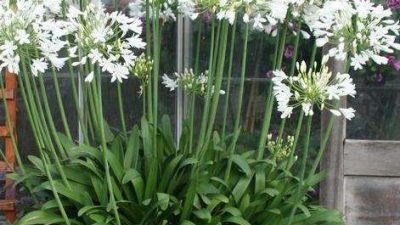
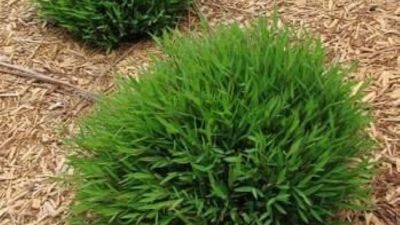
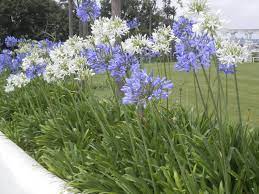
Most native tussock grasses and sedges grow 50cm–1m tall and wide. Space them at about 50–60cm apart for a natural look. They'll fill in within one growing season to create dense, connected habitat. For water edges, plant sedges right up to the water line — frogs need vegetation to enter and exit water safely.
🐾 Wildlife Tips
- Leave seed heads on grasses — finches and rosellas feed on them through summer and autumn.
- Tussock bases provide daytime shelter for frogs — don't cut back to the ground.
- Lomandra is virtually indestructible and supports multiple wildlife species.
- Plant sedges around water features to give frogs safe entry and exit points.
- Don't mow native grass areas to lawn height — wildlife needs the tussock structure intact.
Habitat Extras
Plants are the foundation, but a few simple additions turn a good wildlife garden into a great one.
Water Source
A shallow dish, bird bath, or simple frog bog is the single fastest way to attract wildlife. Change the water regularly. Add a few rocks so insects and lizards can climb out safely. Place it near dense shrubs so birds can retreat to cover quickly.
Logs & Rocks
A pile of rocks or a few stacked logs in a quiet corner creates instant habitat for lizards, skinks, beetles, and spiders. These structures hold moisture, moderate temperature, and provide the sheltered crevices that ground-dwelling creatures need.
Leaf Litter
Resist the urge to rake every leaf. Leaf litter under shrubs and trees is a complete micro-ecosystem — it shelters insects, feeds soil biology, retains moisture, and provides foraging ground for wrens, thornbills, and blue-tongued lizards.
Nesting Boxes
Many Australian birds and mammals nest in tree hollows that take 80–100 years to form naturally. Purpose-built nesting boxes for parrots, microbats, sugar gliders, or owls provide immediate housing while your garden trees mature.
Ready to Welcome Wildlife Home?
Whether you're planting a single native shrub or transforming your entire backyard, every indigenous plant you add makes a difference for local wildlife.
0 Comments