


14/04/2026 | Last Updated: 14/04/2026 | 12 min read
Shade Garden Design Guide
Transform Dark Spaces into Lush Retreats for Australian Gardens
Shade isn't a limitation — it's an invitation. The most atmospheric gardens in the world thrive beneath canopies and beside walls, layered in lush foliage and cool, textured planting. This guide walks you through five design layers to transform every shaded corner of your garden into a genuine retreat.
See It in Context
Shade gardens come alive through layers. Here's what a well-designed shade retreat looks like when canopy, shrubs, ground cover, texture, and flowers all work together.

Dappled light filtering through canopy trees onto layered understorey planting — ferns, ground covers, flowering shrubs, and textured foliage creating a cool, inviting retreat.
Read Your Shade
Dappled, part-shade, or deep? Morning or afternoon? Each shade type supports different plants. Observe your space through a full day before choosing.
Foliage Does the Work
With less light for flowers, leaf shape, texture, size, and colour become your primary design tools. Embrace the green palette.
Manage the Moisture
Shade from trees means root competition for water. Shade from buildings means dry rain shadows. Knowing which you have determines what thrives.
Build Your Shade Garden in 5 Layers
The best shade gardens mimic natural woodland — layers of canopy, understorey, and floor planting that create depth and atmosphere. Follow these five layers to bring your shaded space to life.
Sizing for Your Space
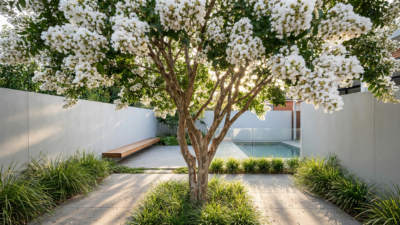
For a small to medium garden (under 50m²), choose a single tree maturing at 4–6 metres with a manageable canopy spread. Larger gardens can support multiple tiers — a taller canopy tree at 8–12 metres with a smaller understorey tree at 3–5 metres beneath. Always check mature canopy spread — a tree that grows 10 metres wide will shade your entire small garden, which may be exactly what you want or far too much.


💡 Shade Garden Tips
- Position your tree to shade the hottest face of the garden — usually the north or west side in Australia.
- Deciduous trees give you the best of both worlds — summer shade and winter sun.
- Dappled shade from an open canopy supports far more understorey plants than dense, solid shade.
- Deep-water weekly for the first two dry seasons to establish roots, then most canopy trees become self-sufficient.
- Consider the root zone — shallow-rooted trees compete aggressively with understorey plantings for moisture.
- Mulch to the drip line but keep mulch 15cm away from the trunk to prevent collar rot.
Sizing for Your Space
Allow shade shrubs 20–30% more space than their listed sun-grown size — they'll stretch wider seeking light. A shrub rated at 1.5m wide in full sun may reach 2m in shade. For screening along a shaded fence, plant at 60–70% of mature width for coverage within 2–3 seasons. Most shade shrubs are slower growing, so buying larger stock (200mm pots or above) gives a faster result.


💡 Shade Garden Tips
- Choose plants that naturally grow in understorey conditions — they won't struggle or become leggy.
- Broad-leaved evergreens capture more light and tend to perform better in shade than fine-leaved species.
- Avoid heavy pruning of shade shrubs — they recover more slowly with less light energy available.
- Morning sun with afternoon shade is the ideal "part shade" position for most shrubs in Australia.
- Group three or five of the same species for a cohesive look rather than mixing random varieties.
- Mulch heavily around shade shrubs — tree roots compete fiercely for moisture in the same zone.
Sizing for Your Space
Space shade ground covers slightly closer together than sun varieties — they spread more slowly with less light energy. Plant at 50–60% of mature spread for reasonable fill within 12 months. In deep shade under dense canopies, expect slower coverage and consider denser spacing. A bed of 3m × 1m may need 15–25 plants depending on species, so tubestock is your most cost-effective option for mass planting.


💡 Shade Garden Tips
- One species, mass planted — that's the secret to a professional-looking shade floor.
- Water regularly during establishment, especially under trees where root competition is fierce.
- Mulch between new plants to suppress weeds until the ground cover fills in completely.
- Choose evergreen varieties for year-round coverage — deciduous ground covers leave bare winter gaps.
- Stepping stones through ground cover beds prevent foot traffic from creating worn patches.
- Some shade ground covers handle light foot traffic — check tolerance before planting near paths.
Sizing for Your Space
Mix foliage scales deliberately — place large-leaved plants behind fine-textured ones for depth. Most texture plants for shade sit at 40cm–1m tall, making them perfect mid-border fillers between taller shrubs and low ground covers. Tropical-style foliage plants typically need consistently moist soil, so group them together in the same watering zone for easier care.


💡 Shade Garden Tips
- Contrast leaf sizes — place large, bold leaves next to fine, feathery ones for maximum visual impact.
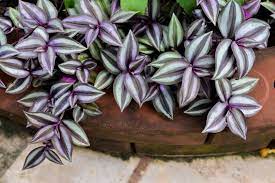
- Variegated and gold foliage acts like natural lighting in dark spaces — use it strategically.
- Tropical-style plants love humidity and consistent moisture — group them together and mulch deeply.
- Strappy plants like Liriope and Dianella are tough shade performers that handle dry shade once established.
- Repeat the same texture plant in groups of three or five through the border for rhythm and unity.
- Remove damaged fronds promptly — clean foliage is essential when leaves are the main feature.
Sizing for Your Space
Most shade-flowering plants are modest — typically 30cm to 80cm tall — making them perfect for front-of-border positions where their blooms are visible. Many shade flowers have shorter bloom periods than sun lovers, so plan for succession: choose species that flower in different months so something is always in bloom. Even two or three well-chosen varieties can provide colour from spring through autumn.


💡 Shade Garden Tips
- White and pale flowers glow in shade — they're visible even at dusk and from a distance.
- Place flowering plants near the front of borders where low light won't hide them behind taller foliage.
- Fragrant shade flowers near seating and paths give you scent as well as colour.
- Plan for successive flowering — choose species that bloom in different seasons for year-round interest.
- Cool colours (white, blue, lavender, soft pink) look more natural in shade than hot reds and oranges.
- Let green dominate — use flowers as deliberate punctuation, not the main event.
Ready to Transform Your Shaded Space?
Every garden has shady spots. Tell us about yours — we'll suggest the perfect plants to bring those dark corners to life.
0 Comments